

Carmién » News »
Rooibos Tea and Liver Health: Can your festive cuppa help support your liver?
Rooibos Tea and Liver Health: Can your festive cuppa help support your liver?
05 December 2025
Excerpt:
Rooibos tea and liver health: Can your festive cuppa help? Explore what research says, plus simple tips for liver-friendly tea moments this season.
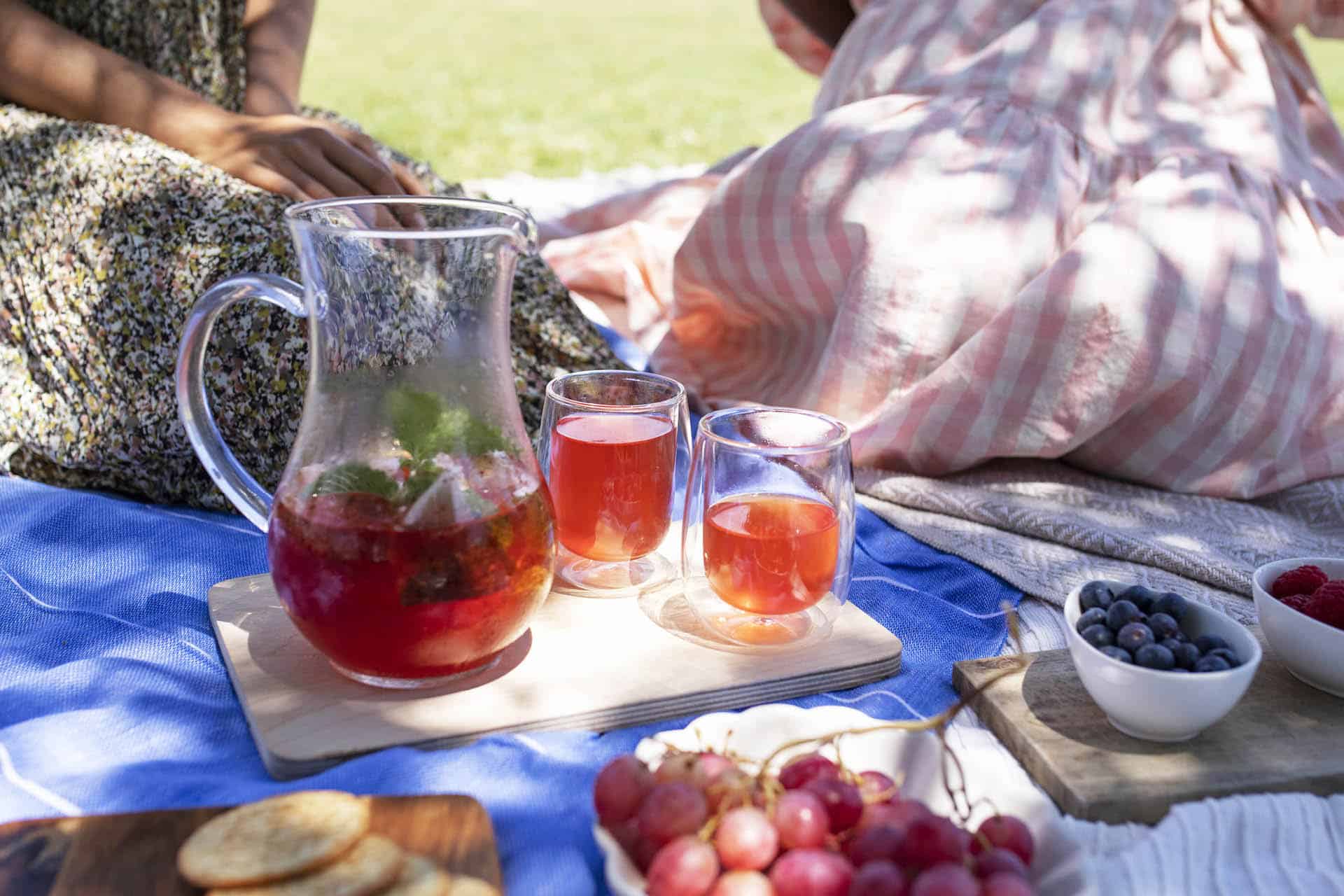
The festive season is a time of long lunches, rich desserts, and the odd late night. It’s also a time when many people start wondering how to be kinder to their liver – without giving up all the fun.
Herbal teas are a popular choice here, and rooibos is often top of the list. But which tea is best for the liver? And can we drink tea if we have a liver problem?
In this article, we’ll look at what the science says about rooibos tea and liver health, how other botanicals like turmeric, hibiscus, and dandelion root might help – and how to use Carmién’s rooibos-based blends as gentle festive-season support.
Why Your Liver Needs Extra Support During The Festive Season
Your liver is your body’s central processing plant. It helps:
- Filter and process alcohol and environmental toxins
- Metabolise fats, sugars, and medications
- Regulate cholesterol and energy balance
Heavy meals, more alcohol than usual, and disrupted routines can all add up to extra oxidative stress and inflammation in liver tissue. Over time, that kind of chronic stress is more concerning than one big night out – but even short bursts of overindulgence can leave you feeling sluggish, bloated, and more “puffy” than usual (Afrifa et al., 2023).
That’s where supportive lifestyle choices come in: better hydration, a bit more movement, and smarter choices in your cup – including rooibos tea, good for liver support, within a balanced lifestyle.
What the Science Says: Rooibos tea and liver health
Antioxidant and Anti-Inflammatory Effects in the Liver
Most of what we know about rooibos tea liver support comes from preclinical research. Several animal studies show that rooibos can help protect liver tissue under stress:
- In a classic study, rats given rooibos tea showed less liver damage, lower markers of fat build-up, and reduced oxidative stress after exposure to carbon tetrachloride (a liver toxin often used in research) compared to control animals (Uličná et al., 2003).
- Later work from the same research group found that rooibos tea helped protect liver mitochondria – the tiny “power stations” in liver cells – from toxin-induced damage (Uličná et al., 2019). PubMed
- Another study in Wistar rats looked at fermented and unfermented rooibos, as well as a rooibos-derived supplement, during a chemically induced oxidative stress challenge. Unfermented rooibos and the supplement significantly improved liver antioxidant capacity without increasing lipid peroxidation (Canda, Oguntibeju, and Marnewick, 2014).
- A separate experiment using lipopolysaccharide (LPS) to trigger acute liver injury showed that rooibos extract helped suppress key inflammatory markers such as TNF-α and IL-6, while improving glutathione redox status and reducing markers of oxidative stress in the liver (Ajuwon, Oguntibeju, and Marnewick, 2014).
Taken together, these findings suggest that rooibos tea and liver health are closely linked via:
- Increased antioxidant capacity in liver tissue
- Reduced lipid peroxidation (less “rusting” of fats in the liver)
- Modulation of inflammatory signalling
These are promising mechanisms – especially for periods when the liver is under extra pressure, such as the festive season. But it’s important to note that these are mostly animal data, not direct evidence of disease treatment in humans.
What About Human Studies on Rooibos?
A recent scoping review pulled together all available human trials on rooibos tea. It found that rooibos consumption (200–1,200 ml per day) can improve blood lipid profiles, enhance antioxidant status, and help lower blood glucose in both healthy and at-risk adults (Afrifa et al., 2023).
These aren’t liver-specific outcomes, but they are closely related to metabolic health, which is strongly connected to long-term liver health, especially in conditions like non-alcoholic fatty liver disease.
The South African Rooibos Council and local researchers also highlight that green rooibos, which is unfermented and higher in certain polyphenols, appears particularly promising for raising antioxidant status in the blood and liver in preclinical models (Carmién Tea, 2025; Uličná et al., 2003).
Rooibos, Digestion, and “Festive Season Recovery.”
If you’ve ever felt like a lovely cup of rooibos after a heavy meal, you’re in good company. South African dietitians have noted that caffeine-free herbal teas, such as rooibos, can support hydration, may help ease digestive discomfort, and are a valuable alternative to sugary soft drinks during the festive period (Madwantsi, 2023).
Rooibos is naturally:
- Caffeine-free
- Low in tannins (so it tends to be gentler on the stomach than many true teas)
- Rich in unique polyphenols such as aspalathin and nothofagin, which have documented antioxidant and anti-inflammatory actions (Afrifa et al., 2023).
Consumer brands globally have even developed rooibos-based “hangover” blends, marketed specifically for the morning after – often combined with herbs like ginger and mint to help settle the stomach, support hydration, and ease that “overdid it last night” feeling (Lock, Stock & Barrel, n.d.; Improper Co., n.d.; Annique Rooibos, 2023).
While these are not clinical trials, they do reflect how rooibos is being used in everyday life as part of a gentle recovery routine after rich meals and social occasions.
Which Tea is Best for the Liver During The Festive Season?
There is no single “miracle” tea that is best for the liver. But certain botanicals have more evidence supporting antioxidant capacity, metabolic health, and digestive comfort – all important for liver resilience.
Based on current research, the stand-out ingredients include:
- Rooibos and green rooibos – antioxidant and anti-inflammatory support, plus good evidence for cardiometabolic benefits (Afrifa et al., 2023; Canda, Oguntibeju and Marnewick, 2014).
- Turmeric (curcumin) – human trials suggest benefits for people with non-alcoholic fatty liver disease when used as part of a supplement regimen, likely via anti-inflammatory and antioxidant mechanisms (Panahi et al., 2019).
- Hibiscus (Hibiscus sabdariffa) – evidence indicates modest improvements in liver fat and liver enzymes in people with metabolic syndrome and fatty liver, often alongside weight and blood pressure changes (Dilokthornsakul et al., 2024).
- Dandelion root (Taraxacum officinale) – preclinical and review data point to hepatoprotective, antioxidant, and lipid-modulating properties (Kania-Dobrowolska et al., 2022; Hamza et al., 2020).
So, rather than choosing just one “best” tea, it makes sense to build a small toolkit of herbal blends that bring these botanicals together in different ways. That’s precisely where the Carmién range can support your customers or guests.
Carmién Rooibos Blends That May Support Liver-Friendly Habits
Here’s how you can integrate Carmién products directly into a festive-season liver support story – for home use, retail features, hospitality menus, or curated wellness hampers.
- Everyday base: pure rooibos and green rooibos
For day-to-day drinking, a simple, unsweetened rooibos or green rooibos is a smart default.
- Rooibos offers gentle hydration and dietary antioxidants without caffeine or kilojoules (Afrifa et al., 2023).
- Green rooibos has even higher polyphenol and antioxidant levels, and animal studies suggest it can raise liver antioxidant status and may have a role in managing chronic liver stress (Carmién Tea, 2025; Uličná et al., 2003).
How to position it:
- As an “all-day liver-friendly base” hot or iced
- As a replacement for sugary soft drinks, especially at braais and long lunches
Relevant Carmién products to link to:
- Carmién Green Rooibos Tea (40 Teabags) – a convenient way to add green rooibos to daily routines.
- Your core Rooibos Teas range – ideal for merchandising as a “gentle festive season hydration station” in-store or on a buffet.
- Rooibos and turmeric: warming support for overindulgent days
Curcumin, the active compound in turmeric, has been studied in people with non-alcoholic fatty liver disease (NAFLD). Several clinical trials have shown improvements in liver fat, liver stiffness and liver enzymes when curcumin (often combined with piperine) is taken as part of a structured supplement plan (Panahi et al., 2019; Mirhafez et al., 2021).
While a cup of turmeric-containing tea won’t deliver therapeutic supplement doses, it fits well into a “little-by-little” lifestyle approach: frequent, small exposures to anti-inflammatory compounds, with no added sugar or alcohol.
Carmién product to highlight:
- Carmién Focus with Masala Chai and Turmeric – a rooibos base with chai spices and turmeric. The warming profile makes it ideal as an evening wind-down after a rich meal, without caffeine (Carmién Tea, n.d.).
You can also cross-promote:
- Carmién Rooibos Smoothie Blend with Collagen & Turmeric – a powder combining rooibos, turmeric, cinnamon, cocoa, and collagen, ideal for “reset” smoothies on the days between celebrations (Carmién Tea, n.d.).
- Rooibos and hibiscus: light, refreshing, and festive
Hibiscus (Hibiscus sabdariffa) adds a naturally tart, berry-like note and a beautiful ruby colour. Research suggests hibiscus extracts may help improve blood pressure, lipids, and markers of fatty liver in people with metabolic risk factors, although studies usually use concentrated extracts rather than tea (Dilokthornsakul et al., 2024).
While we can’t directly translate those doses to a teacup, rooibos and hibiscus together make a compelling festive drink: antioxidant-rich, visually celebratory, and an appealing alternative to sweetened soft drinks and alcoholic cocktails.
Carmién product to feature:
- Cranberry Hibiscus Cold Brew – a rooibos base with dried berries and hibiscus pieces, designed for cold brewing. It delivers a naturally pink-red infusion, with stevia leaf instead of added sugar (Carmién Tea, n.d.).
How to position it:
- As a liver-friendly party jug: cold-brew the tea, add slices of orange and frozen berries, and serve in place of sugary punch.
- As a family-friendly festive drink that keeps everyone hydrated between heavier options.
- Rooibos and dandelion root: gentle support for moms-to-be
Dandelion root has a long history of traditional use as a liver and digestive tonic. Recent reviews highlight compounds like taraxasterol, which may help regulate oxidative stress and inflammatory signalling, and suggest potential benefits for lipid metabolism and liver protection (Kania-Dobrowolska et al., 2022; Hamza et al., 2020; Vielma et al., 2025).
For pregnant customers, the question “Can we drink tea with a liver problem?” often overlaps with nausea, sluggish digestion, and general fatigue. A carefully formulated rooibos blend with dandelion and other supportive herbs can be a gentle option – always alongside their healthcare provider’s advice.
Can We Drink Tea When We Have Liver Problems?
The honest, responsible answer is:
- Yes, often – but it depends on the condition, medications, and overall health.
- Herbal teas like rooibos are generally considered safe for most people when consumed in moderation, and no serious adverse effects of rooibos have been reported in the scientific literature to date (Afrifa et al., 2023; Carmién Tea, 2025).
- However, isolated case reports exist of liver injury associated with very high intakes of certain herbal teas or supplements. For anyone with diagnosed liver disease, the safest approach is to check with their doctor or liver specialist before making big changes.
When you structure this clearly in your content or at point-of-sale, you help build trust:
- Emphasise that rooibos tea liver support is about everyday antioxidant and hydration benefits – not curing disease.
- Encourage choosing unsweetened teas rather than sugar-laden drinks, which is a straightforward win for most liver and metabolic conditions.
- Suggest a simple routine (see below) rather than high-dose or “detox” claims.
A Simple Liver-Friendly Tea Routine for the Festive Season
Here’s an example of how your customers, guests, or staff could use Carmién teas to support their liver – and overall wellbeing – during the holidays:
- Morning: Start the day with a pot of Carmién Green Rooibos Tea as a hydrating, caffeine-free base.
- With lunch or as an afternoon cooler: Serve a jug of Cranberry Hibiscus Cold Brew Rooibos Tea on ice, with citrus slices and berries.
- After a rich dinner or social event: Offer Carmién Focus with Masala Chai and Turmeric as a warming, alcohol-free nightcap.
For B2B partners – retailers, hospitality groups, wellness spas – this creates a ready-made narrative: from indulgence to balance, with Carmién rooibos blends at the centre of a credible, science-aware festive season story.
Key Takeaways
- Rooibos tea and liver health: Preclinical studies show rooibos can help protect liver tissue by reducing oxidative stress and inflammation, especially in toxin-induced injury models (Uličná et al., 2003; Canda, Oguntibeju and Marnewick, 2014; Ajuwon, Oguntibeju and Marnewick, 2014).
- Human data are emerging, with studies in adults pointing to improved antioxidant status, lipid profiles, and glucose control – all relevant to long-term liver health (Afrifa et al., 2023).
- Other botanicals like turmeric, hibiscus, and dandelion root show promising liver-related benefits in research settings, particularly for fatty liver and metabolic health, but are not cures.
- Which tea is best for the liver? The most realistic answer is a small portfolio of antioxidant-rich, low-sugar herbal blends, built around rooibos and green rooibos – exactly where the Carmién range excels.
- Can we drink tea in a liver problem? Often yes, but medical guidance is essential. Position rooibos as a supportive, everyday beverage choice rather than a treatment.
Used thoughtfully, Carmién rooibos teas can help consumers and partners navigate the festive season with more enjoyment and more care – cup by cup.
References
- Afrifa, D., Engelbrecht, L., Op’t Eijnde, B. and Terblanche, E. (2023) ‘The health benefits of rooibos tea in humans (Aspalathus linearis) – a scoping review’, Journal of Public Health in Africa, 14(11), a40. doi:10.4081/jphia.2023.2784. Public Health in Africa
- Annique Rooibos (2023) ‘Good for your gut: Rooibos, the ultimate festive season companion’. Available at: https://annique.com/good-for-your-gut-rooibos-the-ultimate-festive-season-companion (Accessed 1 December 2025). annique.com
- Ajuwon, O.R., Oguntibeju, O.O. and Marnewick, J.L. (2014) ‘Amelioration of lipopolysaccharide-induced liver injury by aqueous rooibos (Aspalathus linearis) extract via inhibition of pro-inflammatory cytokines and oxidative stress’, BMC Complementary and Alternative Medicine, 14, 392. doi:10.1186/1472-6882-14-392. SpringerLink
- Canda, B.D., Oguntibeju, O.O. and Marnewick, J.L. (2014) ‘Effects of consumption of rooibos (Aspalathus linearis) and a rooibos-derived commercial supplement on hepatic tissue injury by tert-butyl hydroperoxide in Wistar rats’, Oxidative Medicine and Cellular Longevity, 2014, 716832. doi:10.1155/2014/716832. PubMed
- Carmién Tea (2025) ‘Green Rooibos and Health’. Available at: https://carmientea.co.za/green-rooibos-and-health/ (Accessed 1 December 2025). Carmién Tea
- Carmién Tea (no date) ‘Focus with Masala Chai and Turmeric (20 Teabags) – product page’. Available at: https://carmientea.co.za/shop/wellness-detox/focus-masala-chai-turmeric-20s-1x50g/ (Accessed 1 December 2025). Carmién Tea+1
- Carmién Tea (no date) ‘Cranberry Hibiscus Cold Brew Rooibos Tea (20 Teabags) – product page’. Available at: https://carmientea.co.za/shop/cold-brew-products/cranberry-hibiscus-cold-brew-20s/ (Accessed 1 December 2025). Carmién Tea+1
- Carmién Tea (no date) ‘Carmién Mom-To-Be with Folic Acid (20 Teabags) – product page’. Available at: https://carmientea.co.za/shop/womens-teas/carmien-mom-to-be-with-folic-acid-20s/ (Accessed 1 December 2025). Carmién Tea+1
- Carmién Tea (no date) ‘Carmién Rooibos Smoothie Blend with Collagen & Turmeric – product page’. Available at: https://carmientea.co.za/shop/speciality-rooibos-products/smoothie-blends/carmien-rooibos-powder/ (Accessed 1 December 2025). Carmién Tea+1
- Carmién Tea (no date) ‘Shop – Green Rooibos Tea (40 Teabags) listing’. Available at: https://carmientea.co.za/shop/ (Accessed 1 December 2025). Carmién Tea
- Dilokthornsakul, P. et al. (2024) ‘Clinical effects of Hibiscus sabdariffa extract on obesity, fatty liver disease and liver enzymes: a systematic review and meta-analysis’, Food Science and Nutrition [online]. Available at: https://www.sciencedirect.com/science/article/pii/S0254629925001589 (Accessed 1 December 2025). ScienceDirect
- Hamza, A.A. et al. (2020) ‘Dandelion prevents liver fibrosis, inflammatory response, and oxidative stress induced by CCl4 treatment in rats’, Basic and Applied Zoology [online]. Available at: https://basicandappliedzoology.springeropen.com/articles/10.1186/s41936-020-00177-9 (Accessed 1 December 2025). SpringerLink
- Improper Co. (no date) ‘Hungover As Hell – product page’. Available at: https://improperco.com/products/hungover-as-hell (Accessed 1 December 2025). Improper Co+1
- Kania-Dobrowolska, M. et al. (2022) ‘Dandelion (Taraxacum officinale L.) as a source of biologically active compounds with beneficial effects on human health – a review’, Antioxidants [online]. Available at: https://pmc.ncbi.nlm.nih.gov/articles/PMC9498421/ (Accessed 1 December 2025). PMC
- Kamati, O.V. et al. (2025) ‘Rooibos phenolic constituents as a dietary supplement for physical performance: evidence to date’, South African Journal of Botany, 180, pp. 490–502. Public Health in Africa
- Lock, Stock & Barrel (no date) ‘Hungover As Hell Rooibos Tea’. Available at: https://lockstockfred.com/hungover-as-hell-rooibos-tea/ (Accessed 1 December 2025). lockstockfred.com
- Madwantsi, V. (2023) ‘How to maintain a healthy gut this holiday season’, Sunday Tribune (Lifestyle), 7 December. Available at: https://dailynews.co.za/sunday-tribune/lifestyle/2023-12-07-how-to-maintain-a-healthy-gut-this-holiday-season/ (Accessed 1 December 2025). Daily News+1
- Mirhafez, S.R. et al. (2021) ‘Curcumin and piperine combination for the treatment of non-alcoholic fatty liver disease: a clinical trial’, [Journal online]. Available at: https://pubmed.ncbi.nlm.nih.gov/34981468/ (Accessed 1 December 2025). PubMed
- Panahi, Y. et al. (2019) ‘Curcuminoids plus piperine improve nonalcoholic fatty liver disease: a clinical trial’, [Journal online]. Available at: https://pubmed.ncbi.nlm.nih.gov/31168845/ (Accessed 1 December 2025). PubMed
- Uličná, O. et al. (2003) ‘Hepatoprotective effect of rooibos tea (Aspalathus linearis) on CCl₄-induced liver damage in rats’, Physiological Research, 52(4), pp. 461–466. PubMed
- Uličná, O. et al. (2019) ‘Rooibos tea (Aspalathus linearis) ameliorates the CCl₄-induced injury to mitochondrial respiratory function and energy production in rat liver’, General Physiology and Biophysics, 38(1), pp. 15–25. doi:10.4149/gpb_2018037. PubMed
This article is for general information only and is not a substitute for medical advice. If you have a diagnosed liver condition or take chronic medication, please speak to your healthcare provider before changing your diet or supplement routine.